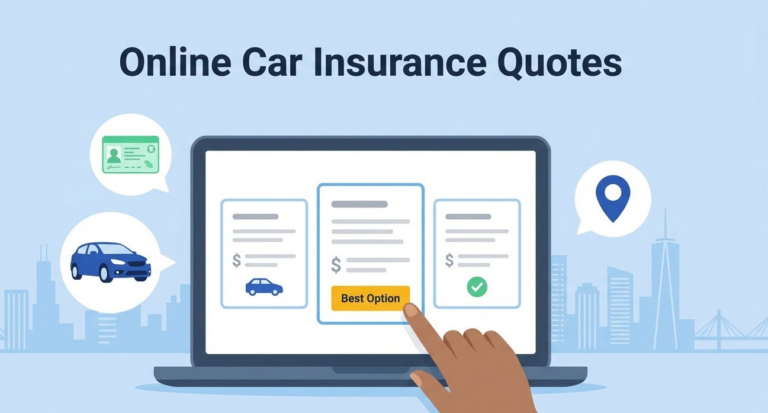
The car insurance industry is undergoing a massive transformation driven by technological innovation, changing consumer behavior, and evolving regulatory frameworks. What was once a traditional, paper-heavy industry is now becoming smarter, faster, and more personalized. As we move deeper into the digital age, understanding the future trends in car insurance is essential for drivers, businesses, and investors alike.
In this comprehensive guide, we’ll explore the most important trends shaping the future of car insurance and what they mean for you.
1. Usage-Based Insurance (UBI) Will Become the Standard
One of the most significant trends in car insurance is the rise of usage-based insurance (UBI). Unlike traditional policies that rely on static factors such as age, gender, and location, UBI uses real-time data to determine premiums.
How It Works:
- Telematics devices or mobile apps track driving behavior
- Factors include speed, braking, mileage, and time of driving
- Safer drivers receive lower premiums
Why It Matters:
Consumers are demanding fair pricing. UBI rewards responsible drivers and eliminates the “one-size-fits-all” pricing model. In the future, most insurers are expected to adopt this model as a standard offering.
2. Artificial Intelligence (AI) Will Transform Claims Processing
Artificial Intelligence is revolutionizing how insurance companies handle claims. What used to take days or even weeks can now be processed in minutes.
Key Applications:
- Automated damage assessment through image recognition
- Fraud detection using machine learning algorithms
- Chatbots for instant customer support
Future Outlook:
AI will continue to reduce operational costs and improve customer satisfaction. Claims processing will become nearly instant, especially for minor accidents.
3. Autonomous Vehicles Will Reshape Insurance Models
Self-driving cars are no longer science fiction—they are becoming a reality. As autonomous vehicles become more common, the entire concept of car insurance will shift.
Key Changes:
- Liability may shift from drivers to manufacturers
- Fewer accidents due to reduced human error
- New types of coverage for software and system failures
What This Means:
Insurance policies will evolve to cover technology risks instead of just driver behavior. This will create new opportunities and challenges for insurers.
4. Blockchain Technology Will Improve Transparency
Blockchain is emerging as a powerful tool for enhancing trust and transparency in the insurance industry.
Benefits:
- Secure and tamper-proof data storage
- Faster claims verification
- Reduced fraud
Real-World Impact:
Smart contracts could automatically trigger claim payments when predefined conditions are met, eliminating the need for manual processing.
5. Personalized Insurance Policies
Consumers today expect personalized experiences—and car insurance is no exception.
What’s Changing:
- Policies tailored to individual driving habits
- Flexible coverage options
- Pay-as-you-go insurance models
Why It’s Important:
Personalization increases customer satisfaction and loyalty. It also allows insurers to better assess risk and optimize pricing.
6. Integration with Smart Vehicles and IoT
Modern vehicles are becoming increasingly connected through the Internet of Things (IoT).
Features:
- Real-time vehicle diagnostics
- Automatic accident alerts
- Integration with insurance platforms
Future Potential:
Cars will communicate directly with insurers, enabling instant claims processing and proactive risk management.
7. Rise of Digital-Only Insurance Companies
Traditional insurance companies are facing competition from digital-first startups.
Advantages of Digital Insurers:
- Lower operational costs
- Faster service
- User-friendly mobile apps
Industry Impact:
The shift toward digital platforms will force traditional insurers to innovate or risk losing market share.
8. Increased Focus on Cybersecurity Coverage
As vehicles become more connected, they also become more vulnerable to cyberattacks.
Emerging Risks:
- Hacking of vehicle systems
- Data breaches
- Remote control of vehicles
Insurance Evolution:
New policies will include cybersecurity coverage to protect against these risks.
9. Climate Change Will Influence Insurance Pricing
Climate change is leading to more frequent and severe weather events, which directly impact car insurance claims.
Effects:
- Increased premiums in high-risk areas
- More comprehensive coverage options
- Greater emphasis on risk assessment
Long-Term Outlook:
Insurers will rely heavily on predictive analytics to manage climate-related risks.
10. On-Demand Insurance Will Gain Popularity
On-demand insurance allows users to activate coverage only when needed.
Use Cases:
- Short-term car rentals
- Occasional drivers
- Ride-sharing services
Benefits:
- Cost savings
- Flexibility
- Convenience
This model aligns perfectly with the gig economy and modern lifestyles.
11. Big Data Will Drive Smarter Decision-Making
Data is the backbone of the future insurance industry.
Sources of Data:
- Driving behavior
- Vehicle sensors
- Social and environmental data
Impact:
Big data enables insurers to:
- Predict risks more accurately
- Customize policies
- Improve fraud detection
12. Enhanced Customer Experience Through Mobile Apps
Mobile technology is transforming how customers interact with insurers.
Features:
- Policy management
- Claims submission
- Real-time support
Future Developments:
Apps will become more intuitive, offering AI-driven recommendations and seamless user experiences.
13. Subscription-Based Insurance Models
Subscription models are becoming increasingly popular in various industries, including car insurance.
How It Works:
- Monthly flat fee
- Flexible coverage adjustments
- Bundled services
Why It’s Growing:
Consumers prefer predictable costs and flexibility, making subscription models highly attractive.
14. Regulatory Changes and Compliance
Governments and regulatory bodies are adapting to new technologies in the insurance sector.
Key Areas:
- Data privacy laws
- Autonomous vehicle regulations
- Telematics usage guidelines
What to Expect:
Stricter regulations will ensure consumer protection while encouraging innovation.
15. Expansion of Peer-to-Peer (P2P) Insurance
Peer-to-peer insurance is an innovative model where groups of individuals pool their premiums together.
Benefits:
- Lower costs
- Greater transparency
- Community-based risk sharing
Future Potential:
This model could disrupt traditional insurance systems, especially among younger consumers.
16. Electric Vehicles (EVs) Will Influence Insurance Policies
The rise of electric vehicles is another major factor shaping the future of car insurance.
Unique Considerations:
- Higher repair costs for EV components
- Battery replacement coverage
- Specialized maintenance
Industry Response:
Insurers are developing tailored policies to address the unique needs of EV owners.
17. Automation in Underwriting
Underwriting—the process of evaluating risk—is becoming increasingly automated.
Advantages:
- Faster policy approvals
- Reduced human error
- Improved accuracy
Future Outlook:
Automation will make insurance more accessible and efficient for consumers.
18. Embedded Insurance
Embedded insurance integrates coverage directly into the purchase of a product or service.
Examples:
- Insurance included with car purchases
- Coverage bundled with ride-sharing platforms
Benefits:
- Convenience
- Seamless user experience
- Increased adoption rates
19. Focus on Sustainability
Sustainability is becoming a priority for both consumers and insurers.
Initiatives:
- Discounts for eco-friendly vehicles
- Green insurance policies
- Investment in sustainable practices
Why It Matters:
Sustainability not only benefits the environment but also enhances brand reputation and customer trust.
20. Global Expansion and Market Growth
The car insurance market is expanding rapidly, especially in emerging economies.
Growth Drivers:
- Increasing vehicle ownership
- Rising awareness of insurance benefits
- Government mandates
Future Trends:
Global competition will intensify, leading to better services and more competitive pricing.
Conclusion
The future of car insurance is dynamic, data-driven, and highly personalized. From artificial intelligence and blockchain to autonomous vehicles and on-demand coverage, the industry is evolving at an unprecedented pace.
For consumers, this means more choices, better pricing, and improved convenience. For insurers, it presents both opportunities and challenges that require continuous innovation.
Staying informed about these trends will help you make smarter decisions, whether you’re choosing a policy, managing risk, or exploring investment opportunities in the insurance sector.
As technology continues to advance, one thing is clear: the car insurance industry of tomorrow will look very different from what we know today—and those who adapt early will benefit the most.