Car insurance is a necessary expense, but that doesn’t mean you have to overpay. Many drivers unknowingly spend hundreds—or even thousands—more than necessary each year on premiums. The good news? There are proven strategies you can apply right now to reduce your car insurance costs quickly without sacrificing coverage.
In this comprehensive guide, we’ll explore 10 smart, practical, and fast ways to lower your car insurance premiums in 2026.
10 Smart Ways to Lower Your Car Insurance Premiums Fast
1. Shop Around and Compare Quotes
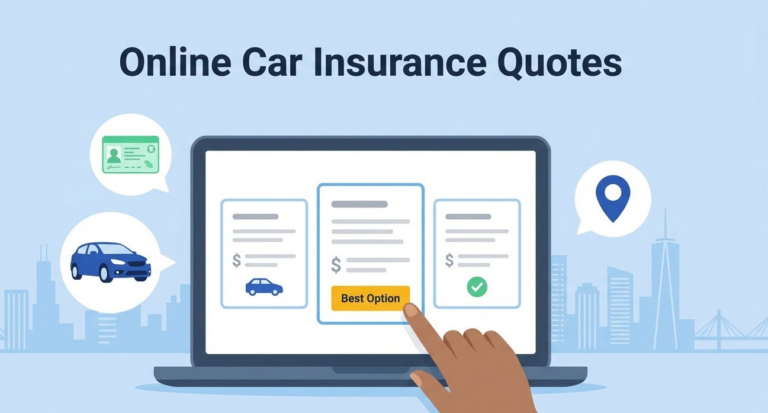
One of the fastest ways to lower your premium is simply to compare multiple insurance providers.
Insurance companies use different algorithms to calculate risk, which means the same driver can receive wildly different quotes from different companies. By comparing at least 3–5 insurers, you can quickly identify the most affordable option.
Pro Tip:
Use online comparison tools to get quotes within minutes. Even switching providers once a year can lead to significant savings.
2. Increase Your Deductible
Your deductible is the amount you pay out-of-pocket before your insurance kicks in.
- Low deductible = higher premium
- High deductible = lower premium
If you’re a safe driver and rarely file claims, increasing your deductible can instantly reduce your monthly or annual premium.
Example:
Raising your deductible from $500 to $1,000 can lower your premium by 10%–25%.
Important:
Only do this if you have enough savings to cover the higher deductible in case of an accident.
3. Bundle Your Insurance Policies
Most insurance companies offer discounts if you bundle multiple policies together.
Common bundles include:
- Auto + Home Insurance
- Auto + Renters Insurance
- Auto + Life Insurance
Bundling can reduce your premium by up to 25% depending on the provider.
4. Maintain a Clean Driving Record
Your driving history is one of the biggest factors affecting your insurance premium.
- Speeding tickets
- Accidents
- DUI offenses
All of these can significantly increase your rates.
How to lower premiums fast:
- Avoid traffic violations
- Drive defensively
- Take a defensive driving course (some insurers offer discounts)
Even one year of safe driving can start reducing your rates.
5. Improve Your Credit Score
In many countries, insurers use your credit score to assess risk.
A higher credit score often leads to lower insurance premiums because insurers view financially responsible individuals as lower risk.
Quick ways to boost your score:
- Pay bills on time
- Reduce credit card balances
- Avoid opening too many new accounts
Improving your credit score can lower your premium by 10%–30%.
6. Take Advantage of Discounts
Insurance companies offer a wide range of discounts—but many drivers don’t ask for them.
Common discounts include:
- Safe driver discount
- Good student discount
- Low mileage discount
- Anti-theft device discount
- Loyalty discount
Pro Tip:
Call your insurer and ask for a full list of available discounts. You might qualify for several without realizing it.
7. Drive Less (Lower Your Mileage)
The more you drive, the higher your risk of being involved in an accident.
If you reduce your annual mileage, you may qualify for a lower premium.
Ways to reduce mileage:
- Work from home
- Use public transportation
- Carpool
Some insurers even offer usage-based insurance, where your premium is based on how much you drive.
8. Choose the Right Car
Your vehicle plays a major role in determining your insurance cost.
Cars that are:
- Expensive to repair
- Frequently stolen
- High-performance
…tend to have higher insurance premiums.
To lower your premium:
- Choose a car with high safety ratings
- Avoid luxury or sports cars
- Look for vehicles with low repair costs
Before buying a car, always check its insurance cost.
9. Install Safety and Anti-Theft Features
Adding safety features to your vehicle can lead to immediate discounts.
Examples include:
- Anti-lock braking systems (ABS)
- Airbags
- Anti-theft alarms
- GPS tracking systems
Insurance companies reward drivers who take steps to reduce risk.
Bonus Tip:
Some insurers offer discounts for dashcams or advanced driver-assistance systems (ADAS).
10. Review and Adjust Your Coverage
Many drivers are over-insured without realizing it.
For example:
- Driving an older car with full coverage may not be cost-effective
- You might be paying for coverage you don’t need
Smart adjustments:
- Drop collision/comprehensive on older vehicles
- Adjust liability limits based on your needs
- Remove unnecessary add-ons
Important:
- Don’t cut essential coverage just to save money—focus on optimizing your policy instead.
- Bonus Tip: Pay Annually Instead of Monthly
- Many insurers charge extra fees for monthly payments.
- By paying your premium annually (or semi-annually), you can avoid these fees and reduce your overall cost.
Common Mistakes to Avoid
While trying to lower your premiums, avoid these pitfalls:
❌ Choosing the cheapest policy without proper coverage
❌ Not updating your policy after lifestyle changes
❌ Ignoring available discounts
❌ Staying with the same insurer for years without comparing
Being proactive is key to maximizing savings.
How Much Can You Actually Save?
By applying these strategies, drivers can typically save:
- 10%–25% by increasing deductibles
- 15%–30% by switching providers
- Up to 25% through bundling
- Additional savings through discounts
Combined, these methods can cut your insurance costs by 40% or more in many cases.
Final Thoughts
Lowering your car insurance premium doesn’t have to be complicated or time-consuming. With the right strategies, you can start saving money almost immediately.
Quick recap of the smartest ways:
- Compare multiple quotes
- Increase your deductible
- Bundle policies
- Maintain a clean driving record
- Improve your credit score
- Ask for discounts
- Drive less
- Choose the right car
- Add safety features
- Optimize your coverage
The key is to take action today. Even small adjustments can lead to significant long-term savings.