Car insurance is one of the most important financial tools for anyone who owns or drives a vehicle. Yet, many people pay for insurance without fully understanding how it works, what it covers, or how to maximize its benefits.
In this comprehensive guide, we’ll break down everything you need to know about how car insurance works—from the basics to advanced insights—so you can make smarter, more cost-effective decisions.
What Is Car Insurance?
Car insurance is a legally binding contract between you (the policyholder) and an insurance company. In exchange for paying a premium, the insurer agrees to cover certain financial losses related to your vehicle, such as accidents, theft, or damage.
Why Car Insurance Matters
- Protects against costly repairs
- Covers liability for injuries or damages to others
- Helps you comply with legal requirements
- Provides peace of mind while driving
Without insurance, even a minor accident can result in significant financial hardship.
The Basic Concept: Risk Pooling
Car insurance operates on a principle called risk pooling. Thousands (or millions) of drivers pay premiums into a shared pool. When accidents happen, the insurer uses this pool to pay for claims.
Simple Example:
- 1,000 drivers each pay $500/year → $500,000 pool
- Only a portion of drivers file claims
- The insurer uses the pool to cover those claims
This system spreads financial risk across many people.
Key Components of a Car Insurance Policy
Understanding the structure of your policy is essential.
1. Premium
The premium is the amount you pay for your insurance policy—usually monthly, quarterly, or annually.
2. Deductible
The deductible is the amount you pay out of pocket before your insurance kicks in.
Example:
- Repair cost: $2,000
- Deductible: $500
- Insurance pays: $1,500
3. Coverage Limits
This is the maximum amount your insurer will pay for a claim.
4. Policy Term
Most policies last 6 or 12 months and must be renewed.
Types of Car Insurance Coverage
Different types of coverage protect against different risks.
1. Liability Coverage
This is the most basic type and is required by law in many regions.
Covers:
- Damage to other vehicles
- Medical expenses for others
Does NOT cover:
- Your own car
2. Collision Coverage
Covers damage to your vehicle caused by accidents, regardless of fault.
3. Comprehensive Coverage
Protects against non-collision incidents such as:
- Theft
- Fire
- Natural disasters
- Vandalism
4. Personal Injury Protection (PIP)
Covers medical expenses for you and your passengers.
5. Uninsured/Underinsured Motorist Coverage
Protects you if the other driver lacks sufficient insurance.
How Claims Work Step by Step
When an incident occurs, the claims process begins.
Step 1: Report the Incident
Contact your insurance company as soon as possible.
Step 2: Provide Documentation
Submit photos, police reports, and other evidence.
Step 3: Claim Evaluation
A claims adjuster assesses the damage and determines payout.
Step 4: Settlement
The insurer pays for repairs or compensates you based on your policy.
What Determines Your Insurance Premium?
Insurance companies use multiple factors to calculate your premium.
Key Factors
1. Driving Record
Safe drivers pay less.
2. Age and Experience
Younger drivers often face higher rates.
3. Vehicle Type
Luxury or high-performance cars cost more to insure.
4. Location
Urban areas tend to have higher premiums.
5. Usage
Frequent driving increases risk.
6. Credit Score
In some regions, this affects pricing.
The Role of Deductibles in Cost Control
Choosing the right deductible can significantly impact your premium.
High Deductible
- Lower monthly premium
- Higher out-of-pocket cost
Low Deductible
- Higher premium
- Lower out-of-pocket cost
Pro Tip:
Choose a deductible you can comfortably afford in an emergency.
Understanding Policy Exclusions
Every policy has exclusions—situations that are not covered.
Common Exclusions:
- Intentional damage
- Driving under the influence
- Using a personal car for commercial purposes (without proper coverage)
- Normal wear and tear
Always read your policy carefully to avoid surprises.
Optional Add-Ons and Riders
You can enhance your policy with additional coverage options.
Popular Add-Ons:
- Roadside assistance
- Rental car reimbursement
- Gap insurance
- Engine protection
These extras can provide additional peace of mind.
How to Choose the Right Coverage
Selecting the right coverage depends on your situation.
Consider:
- Value of your car
- Driving habits
- Budget
- Risk tolerance
Example:
- New car → Full coverage recommended
- Old car → Liability may be sufficient
Common Car Insurance Mistakes
Avoid these mistakes to save money and stay protected.
1. Buying the Cheapest Policy
Low-cost policies often have limited coverage.
2. Ignoring Deductibles
A low premium may come with a high deductible.
3. Not Comparing Quotes
Prices vary widely between insurers.
4. Letting Coverage Lapse
Gaps in coverage can lead to higher future premiums.
5. Filing Too Many Small Claims
This can increase your rates over time.
How to Save Money on Car Insurance
Here are proven strategies to reduce your premium.
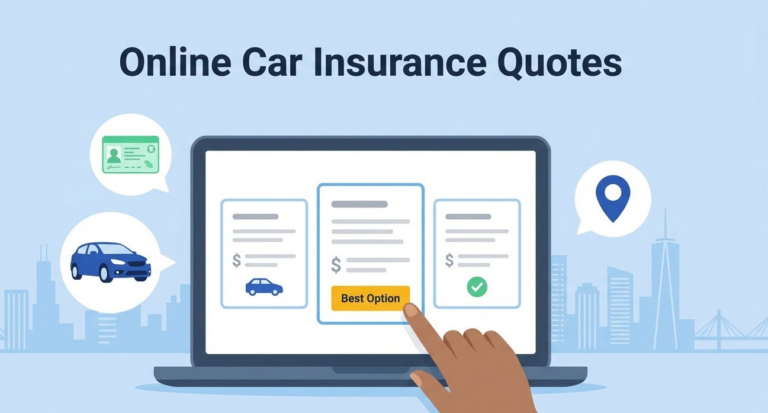
1. Compare Multiple Quotes
Shopping around can save you hundreds annually.
2. Bundle Policies
Combine auto with home or life insurance.
3. Maintain a Clean Driving Record
Safe driving reduces risk and cost.
4. Increase Your Deductible
Higher deductibles lower premiums.
5. Ask for Discounts
Many insurers offer discounts for:
- Safe driving
- Low mileage
- Anti-theft devices
- Good students
When Should You File a Claim?
Not every incident requires a claim.
File a Claim When:
- Damage exceeds your deductible
- There are injuries involved
- Liability is disputed
Avoid Filing When:
- Damage is minor
- Repair cost is close to your deductible
The Impact of Claims on Your Premium
Filing claims can affect your future rates.
Factors That Influence Rate Increases:
- Number of claims
- Severity of claims
- Fault determination
Tip:
Drive safely and avoid unnecessary claims to keep premiums low.
The Future of Car Insurance
Car insurance is evolving with technology.
Key Trends:
1. Telematics (Usage-Based Insurance)
Premiums based on actual driving behavior.
2. AI and Automation
Faster claims processing and risk assessment.
3. Electric Vehicle Coverage
Specialized policies for EV owners.
4. Digital Platforms
Online policy management and instant quotes.
Frequently Asked Questions
Is car insurance mandatory?
Yes, in most countries at least liability coverage is required.
What is full coverage?
It typically includes liability, collision, and comprehensive insurance.
Can I change my policy anytime?
Yes, but check for cancellation fees.
Final Thoughts
Understanding how car insurance works is essential for making informed financial decisions. From premiums and deductibles to coverage types and claims processes, every aspect plays a role in protecting you and your vehicle.
By learning the fundamentals, comparing policies, and avoiding common mistakes, you can find the right coverage that balances cost and protection. Car insurance isn’t just an expense—it’s a smart investment in your financial security and peace of mind.