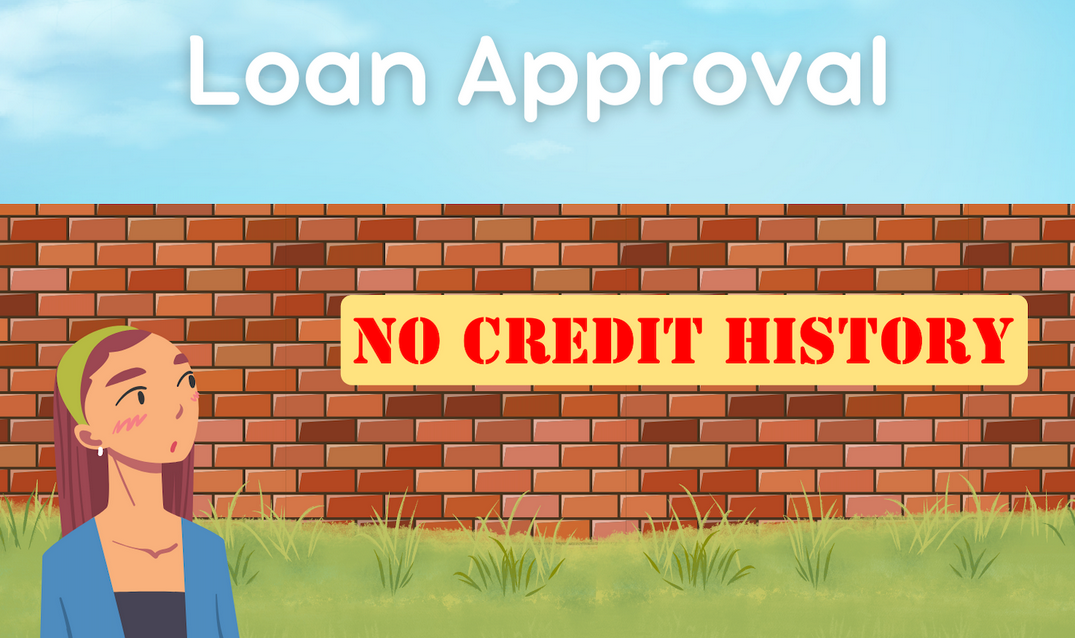
Entering the world of borrowing can feel overwhelming—especially if you have no credit history. Whether you’re a recent graduate, a young professional, or someone who has never used credit before, finding the right loan can be challenging. Most lenders rely heavily on credit scores to evaluate risk, and without a credit history, you may seem like an unknown quantity.
However, the good news is that there are several loan options specifically designed for beginners. These loans help you get access to funds while also building your credit profile for the future.
In this comprehensive guide, we’ll explore the best loan options for beginners with no credit history, how they work, their pros and cons, and practical strategies to improve your chances of approval.
Understanding No Credit History
Before diving into loan options, it’s important to understand what “no credit history” means.
A credit history is a record of your borrowing and repayment behavior. It includes:
- Credit cards
- Personal loans
- Student loans
- Payment history
- Credit utilization
If you’ve never borrowed money or used credit, lenders have no data to evaluate your reliability. This is different from having bad credit, which indicates past financial issues.
With no credit history, lenders face uncertainty—not necessarily risk.
Why It’s Hard to Get a Loan Without Credit
Lenders use credit scores to assess:
- Your likelihood of repayment
- Your financial discipline
- Your risk level
Without a score, lenders may:
- Deny your application
- Offer smaller loan amounts
- Charge higher interest rates
- Require collateral or a co-signer
That’s why choosing the right type of loan is critical when starting out.
Best Loan Options for Beginners
Let’s explore the most suitable loan options for individuals with no credit history.
1. Secured Personal Loans
A secured loan requires collateral—something valuable you own.
Examples of collateral:
- Savings account
- Car
- Property
How it works:
You pledge an asset to the lender. If you fail to repay, the lender can seize the asset.
Pros:
- Easier approval without credit history
- Lower interest rates
- Helps build credit
Cons:
- Risk of losing your asset
- Limited to the value of collateral
Best for:
Beginners who have savings or assets and want lower interest rates.
2. Credit-Builder Loans
Credit-builder loans are specifically designed for people with no credit.
How it works:
- The lender places the loan amount in a locked account
- You make monthly payments
- After repayment, you receive the funds
Pros:
- Builds credit history
- Easy approval
- Low risk
Cons:
- No immediate access to funds
- Smaller loan amounts
Best for:
Beginners focused on building credit rather than immediate cash needs.
3. Co-Signed Loans
A co-signed loan involves someone with good credit applying with you.
How it works:
- The co-signer agrees to repay if you default
- Lenders rely on the co-signer’s credit
Pros:
- Higher approval chances
- Better interest rates
- Larger loan amounts
Cons:
- Risk to the co-signer
- Can strain relationships
Best for:
People who have a trusted family member or friend willing to help.
4. Student Loans (for Students)
If you’re a student, student loans are often easier to obtain.
Types:
- Federal student loans
- Private student loans (may require co-signer)
Pros:
- Flexible repayment options
- Lower interest rates (federal loans)
- No credit required for some loans
Cons:
- Limited to education expenses
- Long-term debt commitment
Best for:
Students pursuing higher education.
5. Payday Alternative Loans (PALs)
Offered by credit unions, these are safer alternatives to payday loans.
Features:
- Small loan amounts
- Short repayment terms
- Lower fees than payday loans
Pros:
- Designed for beginners
- Affordable compared to payday loans
- Quick access to cash
Cons:
- Must be a credit union member
- Short repayment period
Best for:
Short-term emergency needs.
6. Personal Loans from Credit Unions
Credit unions are more flexible than traditional banks.
Why they’re beginner-friendly:
- Community-based lending
- Consider income and character, not just credit
- Lower interest rates
Pros:
- Easier approval
- Better terms
- Personalized service
Cons:
- Membership required
- Limited branch access
Best for:
Beginners looking for fair terms and support.
7. Online Lenders for No Credit Borrowers
Many online lenders specialize in borrowers with no credit history.
What they consider:
- Income
- Employment status
- Education
Pros:
- Fast approval
- Convenient application
- Flexible requirements
Cons:
- Higher interest rates
- Risk of predatory lenders
Best for:
Quick access to funds with minimal requirements.
8. Secured Credit Cards (Alternative Option)
While not a loan, this is one of the best ways to build credit.
How it works:
- Deposit money as collateral
- Use the card like a regular credit card
- Pay off monthly balance
Pros:
- Builds credit quickly
- Easy approval
- Low risk
Cons:
- Requires deposit
- Limited credit limit
Best for:
Building credit before applying for loans.
Tips to Get Approved Without Credit History
Getting approved is not just about the type of loan—you also need strategy.
1. Show Proof of Income
Lenders want assurance you can repay.
Provide:
- Salary slips
- Bank statements
- Freelance income proof
2. Start Small
Apply for smaller loan amounts to increase approval chances.
3. Use a Co-Signer
A strong co-signer significantly improves approval odds.
4. Build Banking History
Maintain a stable bank account with consistent activity.
5. Avoid Multiple Applications
Too many applications can signal desperation and reduce approval chances.
Common Mistakes to Avoid
1. Applying for High Loan Amounts
Start small and build trust first.
2. Ignoring Interest Rates
Some beginner loans have very high rates—always compare options.
3. Falling for Predatory Lenders
Avoid:
- Extremely high fees
- Hidden charges
- Unrealistic promises
4. Missing Payments
Even one missed payment can hurt your future credit profile.
How to Build Credit After Getting a Loan
Once you secure your first loan, your focus should shift to building credit.
1. Pay On Time
Payment history is the most important factor.
2. Keep Debt Low
Don’t overborrow.
3. Monitor Your Credit
Track your progress regularly.
4. Diversify Credit Types
Use a mix of loans and credit cards responsibly.
Comparing Loan Options
| Loan Type | Approval Ease | Risk Level | Best Use Case |
|---|---|---|---|
| Secured Loan | High | Medium | Lower interest borrowing |
| Credit-Builder Loan | Very High | Low | Building credit |
| Co-Signed Loan | High | Medium | Larger loan needs |
| Student Loan | High | Low | Education |
| PALs | Medium | Low | Emergency expenses |
| Credit Union Loan | High | Low | Affordable borrowing |
| Online Loan | Medium | Medium | Quick access to funds |
Step-by-Step Plan for Beginners
If you’re starting from zero, follow this roadmap:
Step 1: Open a Bank Account
Build financial history.
Step 2: Get a Secured Credit Card
Start building credit immediately.
Step 3: Take a Credit-Builder Loan
Boost your credit profile.
Step 4: Apply for Small Loans
Gradually increase your borrowing capacity.
Step 5: Maintain Good Habits
Consistency is key.
Final Thoughts
Getting a loan without a credit history may seem difficult, but it’s far from impossible. With the right approach, you can not only access funds but also build a strong financial foundation for the future.
The best strategy is to start small, choose beginner-friendly loan options, and focus on responsible repayment. Over time, your credit profile will grow, unlocking better financial opportunities such as lower interest rates, higher loan limits, and premium credit products.
Remember, your first loan is not just about borrowing money—it’s about building trust with the financial system.