Paying off a loan can feel like running a marathon with no clear finish line. Whether it’s a personal loan, student loan, car loan, or mortgage, the longer it takes to repay, the more interest you end up paying. The good news? You don’t need to pay extra fees or penalties to accelerate your repayment. With the right strategies, discipline, and financial planning, you can eliminate debt faster and save a significant amount of money in the process.
This comprehensive guide will walk you through proven methods to pay off your loan faster—without triggering extra charges or harming your financial stability.
Why Paying Off Your Loan Early Matters
Before diving into strategies, it’s important to understand why early repayment is beneficial:
- Save on Interest: The longer your loan term, the more interest you pay.
- Financial Freedom: Eliminating debt opens up opportunities for savings and investments.
- Lower Stress: Debt can be mentally exhausting—paying it off faster reduces that burden.
- Improved Credit Profile: Responsible repayment can positively impact your credit standing.
However, some loans come with prepayment penalties. Always check your loan agreement to ensure your lender doesn’t charge fees for early repayment.
1. Make Biweekly Payments Instead of Monthly
One of the simplest ways to pay off your loan faster is to switch from monthly payments to biweekly payments.
How It Works:
- Instead of paying once a month, you pay half your monthly amount every two weeks.
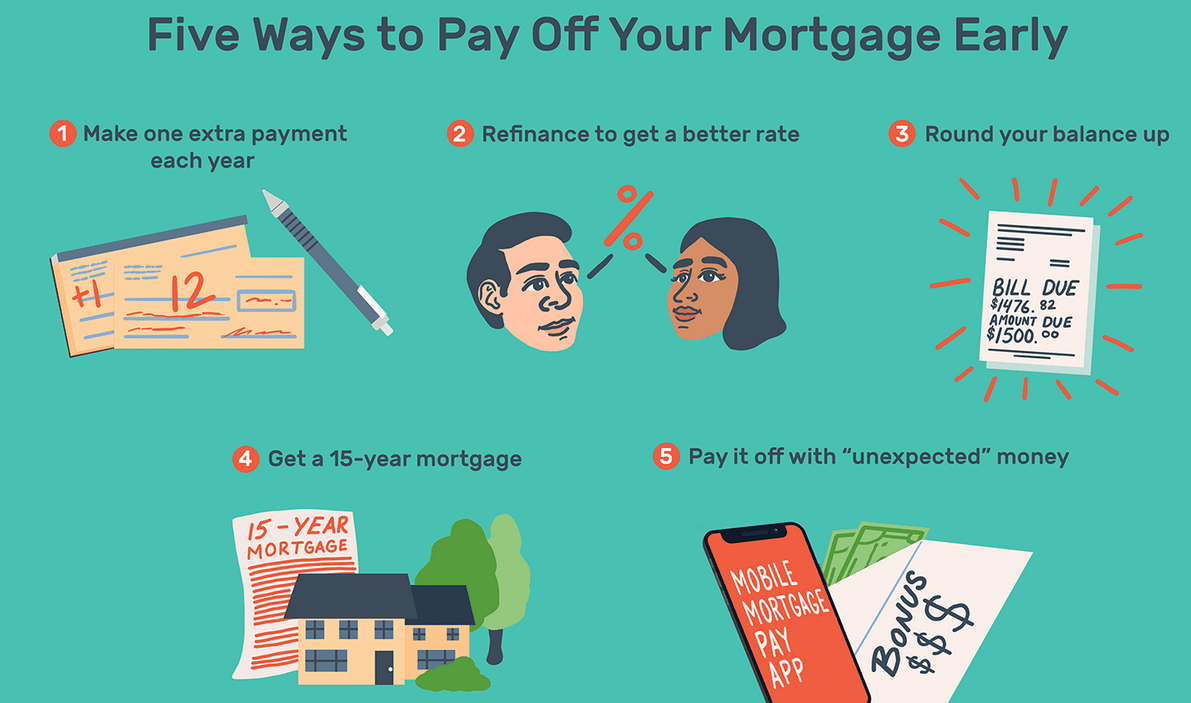
- This results in 26 half-payments per year, equivalent to 13 full payments instead of 12.
Why It Helps:
- You make one extra payment annually without feeling a big financial burden.
- Interest accrues less over time because payments are applied more frequently.
2. Round Up Your Payments
Another easy strategy is rounding up your loan payments.
Example:
- If your monthly payment is $245, round it up to $300.
- That extra $55 goes directly toward reducing your principal.
Benefits:
- Reduces the total loan balance faster
- Decreases interest over time
- Simple to implement with minimal lifestyle impact
Even small additional amounts can make a big difference over the life of the loan.
3. Allocate Windfalls Toward Your Loan
Whenever you receive unexpected money, consider putting it toward your loan.
Common Windfalls:
- Tax refunds
- Bonuses from work
- Freelance or side income
- Gifts or inheritance
Strategy Tip:
Instead of spending these funds, apply them directly to your loan principal. Since this is extra money, it won’t disrupt your regular budget.
4. Refinance Your Loan (If It Makes Sense)
Refinancing can help you secure a lower interest rate or better loan terms.
When to Refinance:
- Interest rates have dropped
- Your credit score has improved
- You want to shorten your loan term
Key Advantage:
A lower interest rate means more of your payment goes toward the principal rather than interest.
Important Note:
Avoid refinancing if it involves high fees or extends your loan term unnecessarily.
5. Make Extra Payments Toward Principal Only
When making additional payments, ensure they are applied to the principal, not future interest.
Why This Matters:
- Reducing principal directly lowers the total interest charged over time.
- Some lenders automatically apply extra payments toward future installments unless specified.
Pro Tip:
Contact your lender or adjust settings in your account to confirm how extra payments are applied.
6. Cut Unnecessary Expenses
To pay off your loan faster, you need extra cash flow—and that often comes from reducing expenses.
Areas to Review:
- Subscription services
- Dining out
- Entertainment spending
- Unused memberships
Strategy:
Redirect the money saved into your loan payments. Even an extra $100 per month can significantly shorten your repayment period.
7. Increase Your Income
If cutting expenses isn’t enough, consider boosting your income.
Options Include:
- Freelancing
- Online business
- Selling digital products
- Part-time jobs
Smart Move:
Dedicate any additional income specifically to loan repayment instead of lifestyle upgrades.
8. Use the Debt Snowball or Avalanche Method
If you have multiple loans, choosing the right repayment strategy is crucial.
Debt Snowball Method:
- Pay off the smallest loan first
- Gain motivation from quick wins
Debt Avalanche Method:
- Focus on loans with the highest interest rates
- Save more money over time
Both methods are effective—choose the one that fits your mindset and financial goals.
9. Avoid Late Payments
Late payments can lead to penalties and increased interest.
Tips to Stay On Track:
- Set up automatic payments
- Use reminders or budgeting apps
- Keep a financial calendar
Avoiding penalties ensures every dollar goes toward reducing your debt—not extra fees.
10. Negotiate With Your Lender
Many borrowers overlook this option, but lenders are often open to negotiation.
What You Can Ask For:
- Lower interest rates
- Flexible payment terms
- Waived fees
Why It Works:
Lenders prefer consistent repayment over default, so they may be willing to adjust terms in your favor.
11. Avoid Extending Your Loan Term
While extending your loan term can reduce monthly payments, it increases the total interest paid.
Better Alternative:
- Keep your current term
- Increase monthly payments slightly
This approach helps you pay off the loan faster without increasing overall costs.
12. Automate Your Savings for Payments
Automation isn’t just for bills—it can also help with loan repayment.
How to Do It:
- Set up automatic transfers to a dedicated “loan repayment” account
- Use budgeting tools to allocate extra funds
Result:
You consistently build extra funds to make additional payments without thinking about it.
13. Track Your Progress
Seeing your loan balance decrease can be highly motivating.
Tools to Use:
- Budgeting apps
- Loan calculators
- Spreadsheets
Benefits:
- Helps you stay committed
- Allows you to adjust strategies as needed
- Provides a clear view of your financial progress
14. Avoid Taking on New Debt
It’s counterproductive to pay off one loan while accumulating another.
Key Rule:
Focus on reducing your current debt before taking on new financial obligations.
Mindset Shift:
Adopt a “debt-free first” approach to spending and financial decisions.
15. Stay Consistent and Disciplined
The most important factor in paying off your loan faster is consistency.
Key Habits:
- Stick to your repayment plan
- Avoid impulsive spending
- Regularly review your finances
Long-Term Impact:
Small, consistent actions lead to significant financial results over time.
Common Mistakes to Avoid
While trying to pay off your loan faster, watch out for these pitfalls:
- Ignoring Prepayment Terms: Always confirm there are no penalties.
- Overextending Your Budget: Don’t sacrifice essential expenses.
- Not Tracking Payments: Lack of awareness can slow progress.
- Focusing Only on Speed: Balance speed with financial stability.
Real-Life Example
Let’s say you have a $10,000 loan at a 10% interest rate over 5 years.
- Monthly payment: ~$212
- Total interest: ~$2,748
Now, if you:
- Add $100 extra per month
- Make biweekly payments
You could:
- Pay off the loan in about 3 years
- Save over $1,000 in interest
This shows how small changes can lead to big savings.
Final Thoughts
Paying off your loan faster without extra fees is not only possible—it’s achievable with the right strategy and discipline. By making small adjustments like biweekly payments, rounding up your installments, and applying extra income toward your principal, you can significantly reduce your debt burden.
The key is consistency. You don’t need drastic changes—just smart financial habits and a clear plan.
Start today, stay committed, and watch your debt disappear faster than you thought possible.
FAQs
1. Can I pay off my loan early without penalties?
Yes, but it depends on your lender. Always check your loan agreement for prepayment terms.
2. What is the fastest way to pay off a loan?
Combining multiple strategies—like extra payments, biweekly schedules, and cutting expenses—is the most effective approach.
3. Does paying extra reduce interest?
Yes. Extra payments reduce the principal, which lowers the total interest over time.
4. Is refinancing always a good idea?
Not always. It’s beneficial only if it reduces your interest rate or shortens your loan term without high fees.
5. Should I save or pay off debt first?
It’s best to maintain a small emergency fund while aggressively paying off high-interest debt.